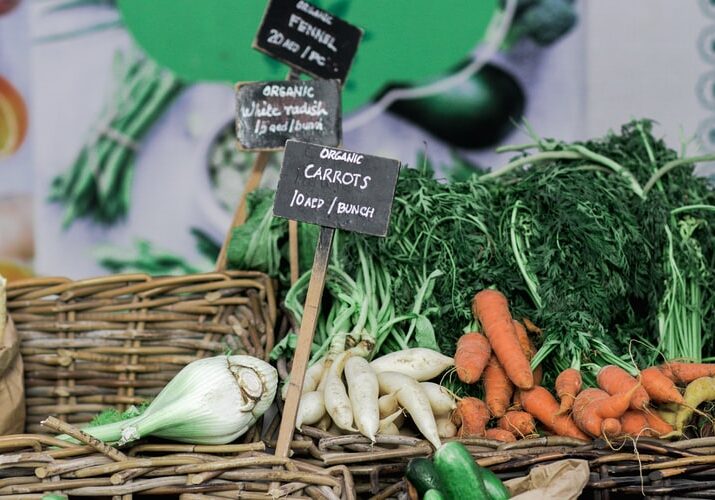
The term “Organic” has been thrown around in the wellness world for quite some time now, but what does it really mean? Organic food refers to the farming practices that limit the use of synthetic pesticides, herbicides, and GMO seeds..Research has shown that these compounds are harmful to human health and the environment, thus pushing more and more consumers to choose organic. Limiting your exposure to pesticides is important, as they can act as endocrine disrupting chemicals and affect your hormone balance, metabolism, weight, and overall health.
As you probably know, organic food is typically more expensive than conventional food due to the measures farmers have to take to keep their farms healthy without the use of synthetic chemicals. Additionally, these farms are usually smaller, leading to less yield, and resulting in more expensive items.
I heard that organic is just a scam, is that true? There’s a slight truth to that. Many farmers find loopholes in the “organic” regulations and still add some level of synthetic pesticides and herbicides. So yes, that means that organic is often not 100% pure. However, it is usually BETTER than conventional produce – and better is all we can do, right?
Does EVERYTHING I buy have to be organic? The short answer is no! Not everything you buy has to be organic. Start with small actions toward an organic and clean lifestyle.
What produce is best to buy Organic? Items with thin skins or anything with edible skin is best to buy at the organic level.. This includes things like leafy greens/lettuce, berries, broccoli, apples, zucchini, tomatoes, nectaries, potatoes, grapesSome of the most highly sprayed are spinach, kale, and strawberries. These three we would strongly recommend to buy organic.
What produce doesn’t need to be Organic? Foods with thick skin or skin that you do not eat can be purchased at the conventional level. Why? Think of the skin as a protective layer – those chemicals cannot penetrate the skin of things like avocados, bananas, oranges, and spaghetti squash. The flesh will remain clean – just make sure to wash the outside of the produce because anything can transfer from the skin to the knife to the flesh!
I’m on a budget, should I avoid fresh produce?
NO! It is perfectly fine if you can’t buy organic produce. Typically, frozen foods are cheaper than fresh, so organic frozen options are available. However, if you can’t buy organic, buy conventional produce! It’s way better to eat conventional produce than to not eat produce at all. When you get home, fill a big container of water with about ¼ cup of apple cider vinegar or white vinegar. Soak your produce for about 15-20 minutes, and then rinse thoroughly. This will adequately clean the produce and reduce the amount of pesticide and herbicide residue.. And no, your produce will not taste like vinegar!
For more detailed information on which produce to buy organic vs conventional, check out the EWG’s Dirty Dozen/Clean Fifteen.