

What you should eat for “break-fast”
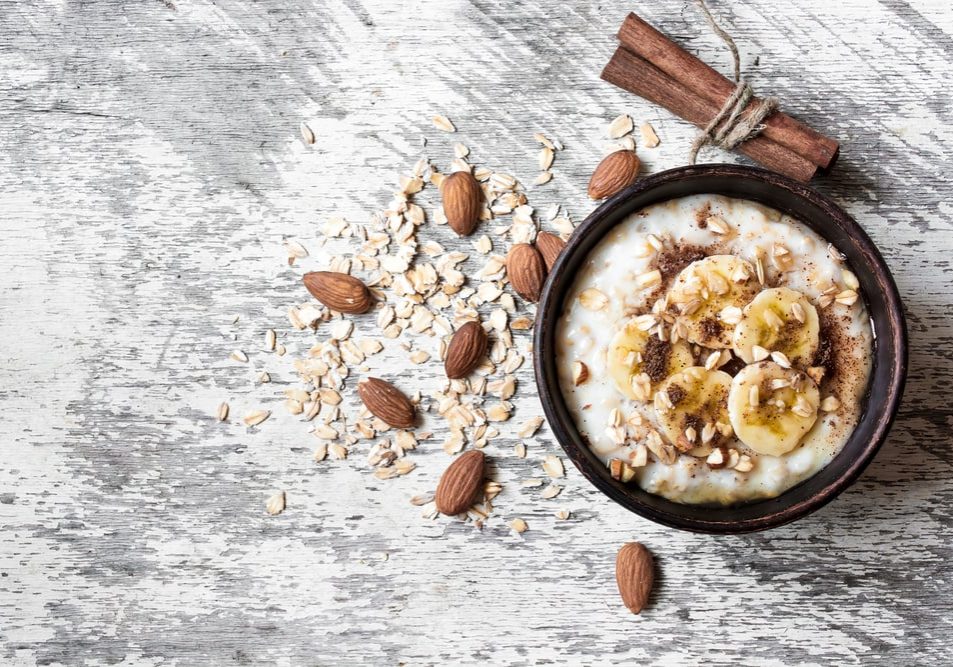
Being in quarantine can be hard on the mind. One way to get accustomed to a new type of schedule is by figuring out normal eating times that work for you, rather than grazing all day and through the night. Being at home all day also gives you an opportunity to explore in the kitchen and cook your own meals, which can be really fun!
The way you break your overnight fast may be the key to weight maintenance (or even weight loss) during this time. Last week, we talked about why timed nutrition is important and how to do it properly (if you didn’t catch that blog then click here!). Today we are discussing why and how breaking your overnight fast to key to optimizing your metabolism. We mentioned this briefly in last week’s newsletter and got a lot of questions, so we’re here to elaborate a bit more.
Skipping the morning meal to lose weight might seem like a good idea because we feel as though we’re consuming less calories. But are we actually consuming less? At what cost to your overall health? And is that really sustainable?
It is important to note that “morning meal” doesn’t necessarily mean right when you wake up. It can be 1-3 hours after waking up if you want to maintain a morning fast, which may be more ideal than eating immediately after waking.
However, skipping your morning meal (or pushing it to 2pm) has been associated with gaining weight and increasing your risk for metabolic syndrome. It can also cause us to eat more later in the day, to compensate for missed energy intake, usually in the form of snacking. We are better off eating our calories earlier, or frontloading our calories, to avoid getting to the point of eating more than we need in a state of hunger.
Also, eating a meal during morning/brunch hours on a daily basis has been shown to decrease risk for obesity and related co-morbidities. This is related to our body’s ability to control glucose levels strongest in the morning hours compared to later in the day. Meaning, it is in our best interest to eat a bulk of our calories, earlier in the day when our metabolism is working at it’s best. Take advantage!
So, what should you be eating as your first meal of the day?
Protein, fiber, and fat as part of your first meal is key. We call these the KEY3. They all work to decrease hunger hormones during the day, so you can feel satisfied, calm, and full, without running to the pantry every hour.
How to break your fast, front-load your calories, and make it count!
- Make it part of your routine: It is easy to fall into a rut while being home everyday. One tip to productively work from home is to create structure to your day; this includes mealtimes. Cook a nice breakfast for yourself around the same time each morning before you power through the work day.
- Make it a meal, not just a Power Bar: Cooking is not easy if you’re a beginner, and it’s easy to just grab a power bar and make a cup of coffee. We understand, but there are a ton of quick and easy options – need some ideas? Respond to this email and we’ll send some your way.
- Get creative: When we think of breakfast we think cereal and milk or eggs and toast, but the first meal of the day can be more. There are no rules when it comes to what is a “morning food” and what is not. Often leftovers can be the most nutritional choice for breakfast – got left over fish or chicken? Dig in!
- Start your day with a KEY3 Smoothie! Add nut milk, 20g protein (pea protein or greek yogurt), healthy fats (chia, flax, avocado), greens (frozen or fresh spinach), and ¼ of fruit!
Use these tips, and your morning meal will become your favorite meal of the day before you know it.