

Everything You Wanted to Know About Intermittent Fasting
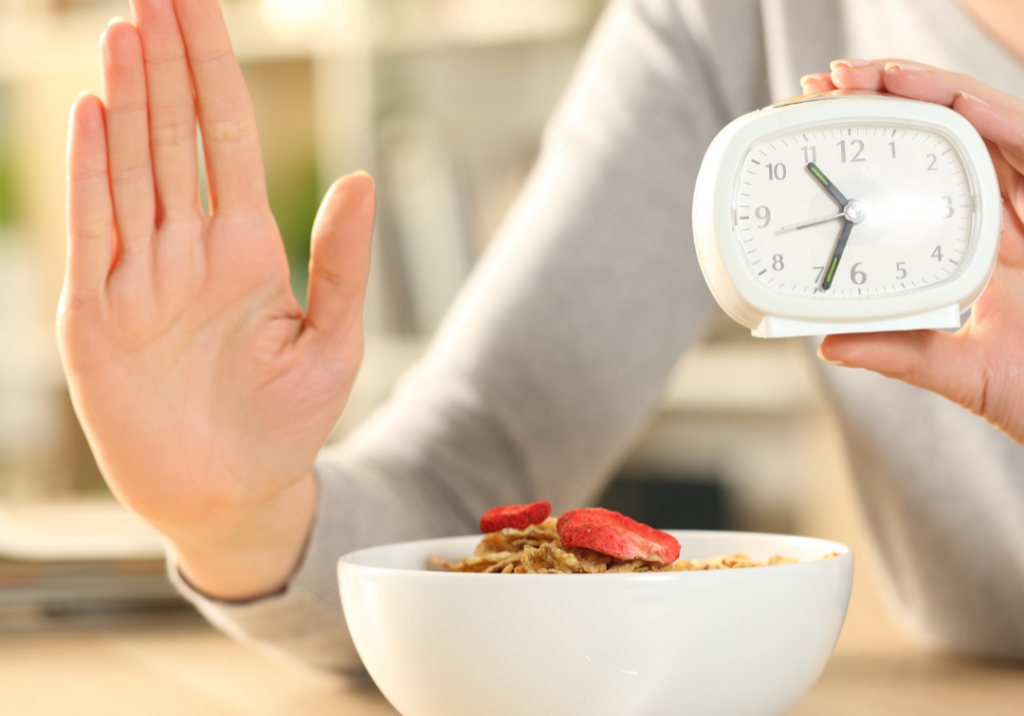
You’ve probably heard or read about intermittent fasting (IF). What exactly is IF, what are the benefits, and is it right for you?
Intermittent fasting is an umbrella term for eating patterns that involve cycles of eating and fasting. Intermittent fasting differs from traditional diets in that it does not focus on rigid food rules or calories, but rather on when an individual eats.
Why is it so popular right now?
Intermittent fasting has become so popular recently because it is easy, flexible, and approachable. There are no food rules to adhere to; there is no restricting of carbohydrates or fats, or eating certain kinds of diet foods. People can essentially eat the food they always eat and enjoy, simply within a specific time frame. Many people skip breakfast or only have something light in the morning, so it can be easy to incorporate into their lifestyle.
In addition to the ease of intermittent fasting, it does not require purchasing any special products, so it is easy on the wallet!
Intermittent Fasting: Battle of the Sexes
Intermittent fasting is different for women than men. Women are biologically built for childbearing and are therefore more sensitive to energy deficits. When women fast too much, the body receives stress signals that it is not receiving adequate energy, resulting in a decline in sex hormones.
Women can however still benefit from intermittent fasting by starting slowly and experimenting to see what type may work for them. Guidelines to consider include practicing intermittent fasting only every other day, focusing on gentle workouts during fast days, and following less aggressive fasting schedules. This will help ensure women are not undernourishing themselves.
Risks to Intermittent Fasting for Women
There are certain risks that women should be aware of if they choose to do intermittent fasting. Women may experience side effects such as sleeplessness, anxiety, hair loss, hormonal imbalances, irregular periods, poor bone health, and infertility. An unending cycle of ketosis, in which the body is relying on ketones (the byproducts of fat breakdown) for energy, can suppress menstruation.
Women who are in perimenopause or going through menopause may benefit from fasting due to its impact on bone mineral density and muscle tone. Furthermore, the shift in hormones that occurs during fasting may ease some of the symptoms of menopause. However, the wide range of changes that occur during menopause also means that many women respond differently to intermittent fasting. It is therefore best to start out gently and not push yourself with fasting.
Some Benefits of Intermittent Fasting for Women
Benefits of intermittent fasting for women include:
- May help with weight loss in women who are overweight. IF can help with weight loss because it often results in a calorie deficit. As glycogen stores diminish, it also helps the body enter fat-burning mode
- Many women struggle to lose weight because of insulin resistance. Intermittent fasting may reduce insulin resistance
- It is important for women who are interested to practice intermittent fasting at the right time in their cycle. Women may find more ease with intermittent fasting during the follicular phase, which occurs during the first half of the cycle. As women approach their period, they should focus on nourishing themselves.
Restricting food for long periods of time can interfere with hunger hormones, sometimes resulting in binging during the feeding window. Individuals with histories of eating disorders should avoid intermittent fasting as it may trigger disordered eating behaviors.
It should be noted that most studies that have been done on intermittent fasting have been conducted on men and not women.
(https://www.cell.com/cell-metabolism/pdfExtended/S1550-4131(20)30319-3)
The Different Types of Intermittent Fasting
There are various forms of intermittent fasting. These include:
- 16:8 – In this popular form of intermittent fasting, individuals fast for 16 hours and have an 8 hour eating window. The fast kicks in 4 to 16 hours after the last meal, at which point the energy from the last meal has been used and the body begins to use stored energy as fuel
- 5:2 – In this version, individuals eat normally for 5 days of the week, and consume around 500-600 calories on two consecutive days of the week
- Eat-Stop-Eat – In this method individuals fast for 24 hours once or twice a week
It may be best to start out slowly with the more lenient versions to determine what is best for you. It may also help to think about your schedule and what might work; perhaps you have plans with family or friends at night, and might prefer trying the 5:2 method.
Is IF for you?
While many people may benefit from intermittent fasting, it is not for everyone. Women who are pregnant or trying to conceive, individuals using diabetes medications, and those with histories of eating disorders should not do intermittent fasting.