

How Does Sugar Affect My Gut Health, Dysbiosis, Bloating?
Summary
Many body functions, from the digestive system to the immune system, to the brain and mental health are impacted by the health of the gut and the microbiome.
Sugar, in particular, has an effect on gut health through its impact on the microbiota. Having a wide variety of good bacteria in the gut is critical, as this can enhance immune system function, improve symptoms of depression, help combat obesity, among other benefits.
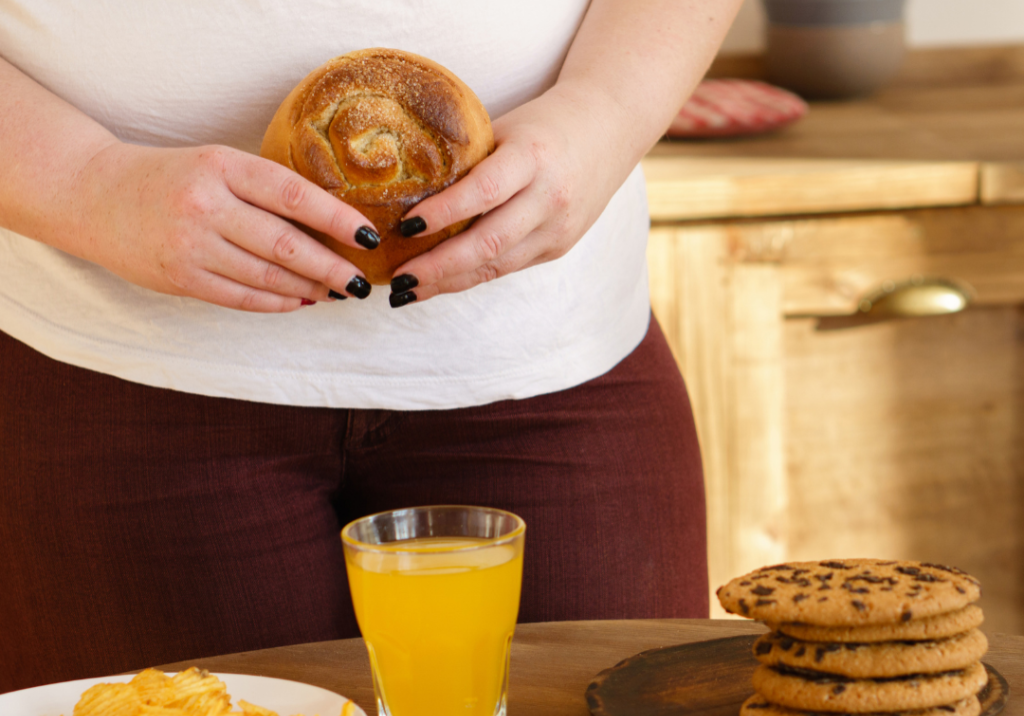
Diets high in processed foods and added sugars can decrease the amount of good bacteria in the gut, resulting in low-grade inflammation and decreased capacity to regulate mucosal immunity.
Observed microbial changes induced by high dietary sugar, namely reduced diversity, increased abundance of Proteobacteria that rapidly utilize simple carbohydrates, and decreased Bacteroidetes, share features with microbiota dysbiosis associated with certain metabolic disorders.
There also exists a bidirectional gut-brain axis, with relationships between memory, inflammatory genes, and gut microbiota. Indeed, exposure to a high-energy diet can alter the microbiota, which has been associated with cognitive decline in mouse studies.
High fiber intake, on the other hand, promotes colonization of beneficial microbes. Diets low in fiber and high in dietary sugar can degrade the colonic mucus barrier. High dietary sugar intake can impact not only the integrity of the gut lining, but also the action of insulin. The bacterial cell wall component MDP is an insulin-sensitizing agent that promotes immune tolerance and lowers blood glucose. Yet bacterial LPS and other cell wall components engage immune responses that promote insulin resistance and poor glycemic control in the host. Many microbes demonstrate commensalism and do not alter blood glucose, at least when colonizing properly compartmentalized niches and at normal bacterial loads. These niches can become disrupted by physiological stress or from loss of the SCFA butyrate.
Mice studies reveal that sugar type also matters. According to one study, fructose and glucose decrease a protein necessary for gut colonization of the bacteria Bacteroides thetaiotaomicron, a member of gut microbiota associated with lean and healthy individuals. Researchers report that in mice, fructose is processed mainly in the small intestine, not in the liver as had previously been suspected.
Sugary drinks and processed high-sugar foods overwhelm the small intestine and spill into the liver for processing. Additionally, the authors learned that the ability of the small intestine to process fructose is higher after a meal, so the timing of sugar intake may also be a factor to consider.
RESEARCH:
Gut Microbiome
- Having a wide variety of good bacteria in the gut can enhance immune system function, improve symptoms of depression, help combat obesity, among other benefits
- Diet high in processed foods and added sugars can decrease the amount of good bacteria in the gut, resulting in low-grade inflammation and decreased capacity to regulate mucosal immunity
- High dietary intake of sugar can increase the risk of metabolic disorders even in normal-weight subjects
- Eating a variety of plant-based foods and lean protein can positively impact gut
- Fiber, which reaches small intestines undigested, promote colonization of beneficial microbes associated with lean individuals
- Diet low in fiber “deprives” gut microbiota and can degrade the colonic mucus barrier, enhancing pathogen susceptibility. Fiber-deprived gut microbiota promotes colitis (mouse models that were colonized with synthetic human gut microbiota)
Gut-Brain Connection
-
- Diet alters microbial content — relationships between memory, inflammatory genes, and microbiota (mouse study). The bidirectional gut-brain axis and diet-induced changes in microbiota, from chronic exposure to high-energy diets, associated with cognitive decline
- Study done in mice – received high fat or sucrose diet
- The high sucrose diet group had impaired spatial memory and cognitive ability compared to mice on a normal diet
- Many of these studies are on mice
Sugar Type
- Diet alters gut microbiota composition – yet sugar type matters
- According to 2018 study fructose and glucose decrease a protein necessary for gut colonization of the bacteria Bacteroides thetaiotaomicron, a member of gut microbiota associated with lean and healthy individuals
- Fructose can escape absorption in SI and reach microbiota in distal gut
- Mouse study
Disease Connection
- Observed microbial changes induced by high dietary sugar (reduced diversity, increased abundance of Proteobacteria that rapidly utilize simple carbohydrates, and decreased Bacteroidetes) share features with microbiota dysbiosis associated with metabolic disorders like IBD
- High dietary sugar not only provides excess energy but can impact microbiota
https://www.sciencedaily.com/releases/2018/02/180206140645.htm
- Researchers report that in mice, fructose, a sugar found in fruit, is processed mainly in the small intestine, not in the liver as had previously been suspected. Sugary drinks and processed high-sugar foods overwhelm the small intestine and spill into the liver for processing. Additionally, the authors learned that the ability of the small intestine to process fructose is higher after a meal.
- The investigators also found that the small intestine clears fructose more efficiently after a meal. “We saw that feeding of the mice prior to the sugar exposure enhanced the small intestine’s ability to process fructose,” said Rabinowitz. “And that protected the liver and the microbiome from sugar exposure.” The researchers theorize that in a fasting state, such as upon awakening or in the mid-afternoon, one is extra vulnerable to fructose due to a lessened ability to process it in the small intestine.
- MDP/LPS and Insulin Sensitivity
-
- Symbiotic relationships between gut microbiota and the host influence blood glucose. The bacterial cell wall component muramyl dipeptide (MDP) is an insulin-sensitizing agent that promotes immune tolerance and lowers blood glucose during stressors such as obesity and endotoxemia, thereby contributing to a mutualistic interaction between microbes and host. On the other hand, bacterial lipopolysaccharides (LPS) and other cell wall components, such as meso-diaminopimelic acid (meso-DAP) muropeptides, engage immune responses that promote insulin resistance and poor glycemic control in the host. Many microbes demonstrate commensalism and do not meaningfully alter blood glucose, at least when colonizing properly compartmentalized niches and at normal bacterial loads. IEC, intestinal epithelial cells.
- Bacterial components other than LPS synergize to influence blood glucose.
- Microbe Compartments – Lumen, Crypts, Mucus
- The lumen microbiome comprised Firmicutes and Bacteroidetes whereas the crypts were dominated by Proteobacteria and Deferribacteres, and the mucus comprised a mixture of these 4 phyla.
- Here, we characterized the composition and function of the lumen-, mucus-, and crypt-associated microbiome in the cecum of mice. We observed a highly ordered microbial architecture within the cecum whose assembly and function become markedly disrupted when provoked by physiological stress such as surgery and its attendant preoperative treatments (i.e., overnight fasting and antibiotics).
- Major shifts in local physicochemical cues including a decrease in hypoxia levels, an increase in pH, and a loss of butyrate production were associated with the loss of compositional and functional compartmentalization of the cecal microbiome.
General Takeaways
- Importance of diet high in fiber and variety
- Processed, high sugar diet can negatively impact microbiota – resulting in increased harmful bacteria and decreased beneficial bacteria. This can also affect cognition by way of the gut-brain axis (interesting!)
- Note: almost all studies done in mice