

Mercury and Selenium to Prevent Heavy Metal Toxicity
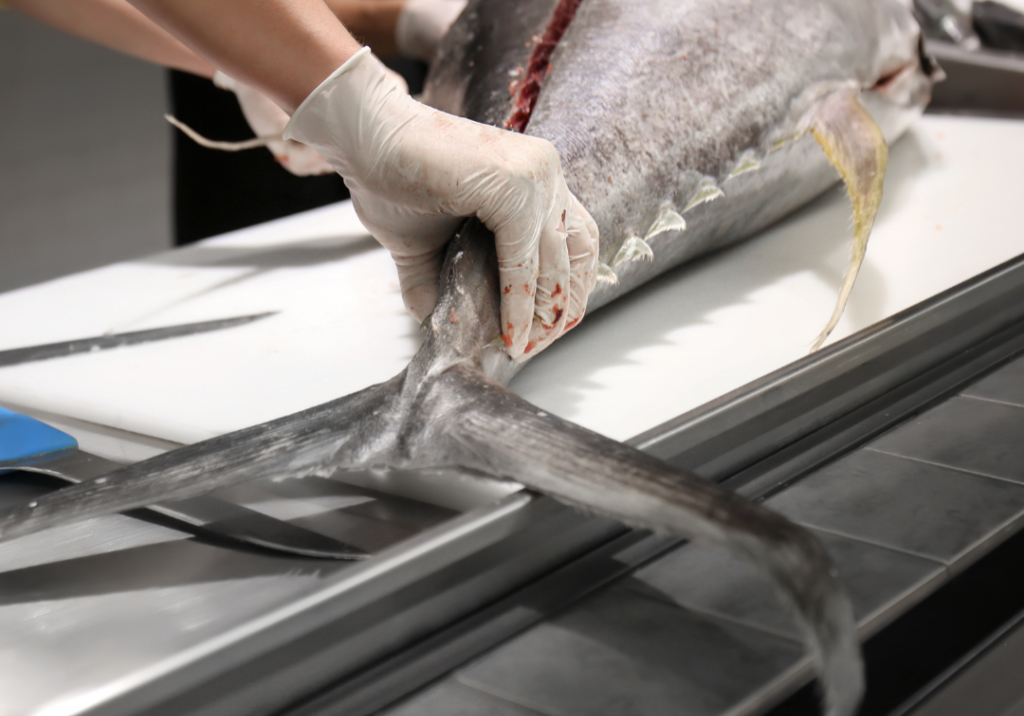
Have you heard that eating fish is a great source of omega-3, but maybe you’re worried about too much mercury intake? Omega-3 fatty acids are important for inflammation, brain health, metabolism, and overall health. Our current diets are very high in omega-6s but not high enough in omega-3, leading to inflammation. While mercury poisoning is real, it shouldn’t deter you from eating fish! We’ll talk about why (hint: it has something to do with selenium!)
What is Mercury?
Mercury is a neurotoxin that interferes with the brain, nervous system, fertility, and fetal development. It’s also harmful to adults if it builds up in the body because we don’t have the mechanisms to excrete it.
Where is it found?
It is found in bigger fish – as big fish eat smaller fish mercury accumulates in their tissues. It’s especially found in fish that come from the Mediterranean Sea. Fun fact: the Mediterranean Sea has a large presence of mercury deposits which accounts for about 65% of the entire world’s mercury reserves, even though the Mediterranean Sea only covers about 1% of the world’s ocean. So where the fish was sourced from matters!
What is Selenium?
Selenium is a mineral that can be found in the soil and in water and some foods.
Why do we need Selenium?
Selenium has antioxidant properties which means that it protects our cells from damage. It helps protect against certain cancers as well as heart health. It also plays a role in the health and speed of your immune system.
What foods is Selenium found in?
- Brazil nuts
- Fish & Shellfish (oysters, clams, mussels, lobster, shrimp)
- Organ Meats
- Pork, Beef, Chicken
- Tofu
- Mushrooms
Mercury and Selenium – how are they connected?
Our body uses special enzymes to protect our brains from oxidative damage. The enzymes are dependent on Selenium. When Mercury enters the body, it interferes with these enzymes by binding to Selenium. Therefore, mercury starts being dangerous to our brain when levels are high enough to interfere with enzyme activity.
So if you focus on consuming seafood that is higher in Selenium than in Mercury, then you won’t have to worry about the neurotoxic effects.
Mercury/Selenium Ratios:
Highest mercury content and should be avoided:
- Swordfish, ahi tuna, bigeye tuna, king mackerel, tilefish, and shark
High mercury content and should be limited:
- Sea bass, grouper, albacore tuna, and yellowfin tuna
Moderate to low mercury content:
- Halibut, canned light tuna, cod, lobster, mahi-mahi, trout, and whitefish
Low mercury content:
- Salmon, shrimp, scallops, mussels, oysters, sole, sardines, herring, mackerel (chub or Atlantic), crab, lobster, anchovies, clams, crawfish, tilapia, and squid
Getting enough selenium in your diet is protective of mercury poisoning. So if you are eating moderate to high mercury fish it’s important to make sure that you’re getting other sources of selenium as listed above.
Bottom Line?
When looking for seafood options that are low in mercury, then your best options are wild-caught salmon, sardines, North Atlantic mackerel or chub mackerel, and anchovies. High mercury fish should be avoided especially if you’re in childbearing age or breastfeeding. However, as you can tell, there are many options of low to moderate mercury fish, so don’t let the fear of mercury poisoning prevent you from getting that magical dose of omega-3s. Your metabolism, brain, skin, and digestion will benefit.
References:
https://www.sciencedirect.com/science/article/pii/S0300483X10002490?via%3Dihub
https://www.ncbi.nlm.nih.gov/pmc/articles/PMC2705224/
https://ods.od.nih.gov/factsheets/Selenium-HealthProfessional/#h3
https://www.ncbi.nlm.nih.gov/pmc/articles/PMC6480458/
https://www.fda.gov/food/consumers/advice-about-eating-fish
https://chriskresser.com/5-reasons-why-concerns-about-mercury-in-fish-are-misguided/
https://www.nrdc.org/sites/default/files/walletcard.pdf