

Why an Overnight Fast is Key to Fat Loss
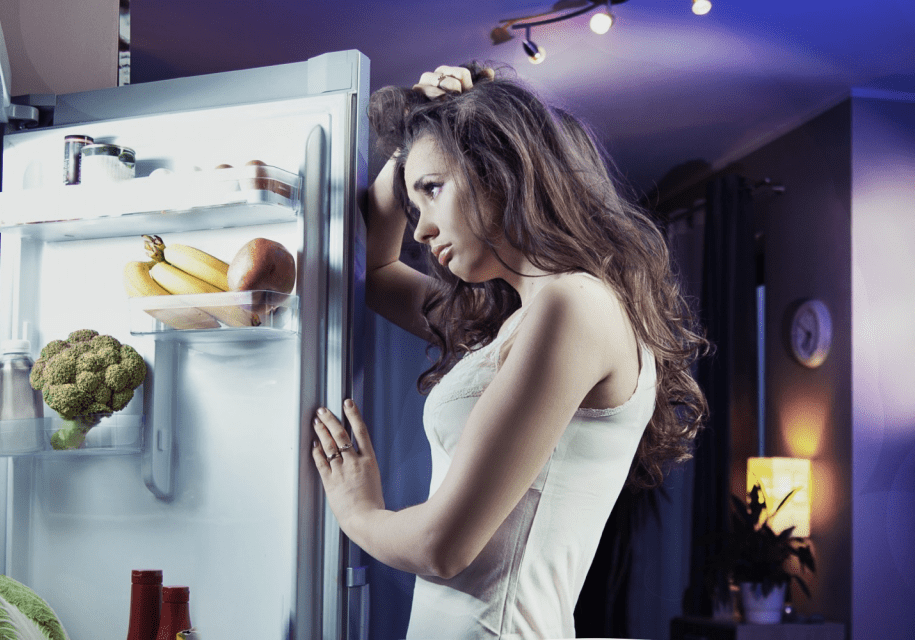
Snacking at night. It’s easy, mindless, and comforting. You’re sitting on the couch watching the newest murder documentary on Netflix while munching on popcorn. Suddenly it’s 11 pm, you turn the tv off and head to bed. Harmless, right? Not quite. The popcorn you just ate is breaking down into simple carbohydrates, entering the bloodstream, and signaling the body to release insulin in order to process and package the glucose from the blood into muscle, liver, and fat cells. Don’t worry – this is normal. All food triggers this process to bring your blood sugar back to a normal level and use the food as energy. But should this process be triggered so close to bedtime? Perhaps not. Let’s explore why.
Sleep is an essential part of the healing process. You might not think it, but when we sleep, our bodies have these specific mechanisms that repair, clean and rebalance the complexities our bodies go through every day. If I asked you to take a second to think about New York City, you’d probably think of the bustling streets, crowded subways, and innumerable buildings lining the sidewalks. But without the subway mechanical repairs, the filled potholes, and street sweepers working through the night, the imperfections of the city would stand out much more. Just like your body, you don’t see or notice these things happening because, well, you’re sleeping. But as soon as you take away sleep, like removing subway construction crew or the street sweepers, you’ll noticeably start to feel and look different.
To optimize your body’s normal cleaning mechanisms, you need to be in a fasted state for a minimum of 12 hours overnight. This allows for your hormones to properly cycle according to your circadian rhythm, otherwise known as the 24-hour clock that your body follows. Insulin (our fat storage hormone) is one of many hormones that changes during sleep; levels mimic the drops and surges of glucose (aka sugar) in the blood. In the first part of the sleep cycle, glucose levels in the blood decrease, and insulin will follow to avoid low blood sugar. As you can imagine, eating before bed disrupts this first part of the cycle, which will have your body chasing normal and can quickly disrupt your sleep. Maybe you have noticed you’re tossing and turning or waking up in the middle of the night, or some people don’t notice but that doesn’t mean their sleep quality isn’t affected. This disruption can have you feeling tired the next day, as well as having less efficient hormone regulation, leading to cravings and more fat storage.
If you know you are a victim of after dinner and late-night snacking, don’t worry. There are some things you can do to prevent this:
- DON’T FALL INTO THE DIET CULTURE MYTHS. Diet culture will have you believe that you should be eating small meals every two hours and that you should “save your calories for later”. This is not a proper way of eating. Instead, make sure you’re eating enough at each meal to keep you full for about 4 hours. More nourishment throughout the day = less cravings later on = better hormone regulation = more fat loss.
- SNACKS ARE NOT OFF-LIMITS, BUT KEEP THEM 2-3 HOURS BEFORE BEDTIME. We’re not telling you that you are not allowed to have snacks. However, to maximize the benefits of sleep, give your body 2-3 hours to digest your meal or snack before you doze off. This includes alcohol – enjoy that glass of wine, but not too close to bedtime.
- UNDERSTAND THE DIFFERENCE BETWEEN HUNGER AND BOREDOM. Before you reach for that late-night snack, ask yourself if you’re hungry, bored, or if you’re doing this out of habit. If you’re actually hungry, maybe you didn’t eat enough during the day. If you’re bored or looking for comfort, try to find different solutions and utilize hobbies that don’t involve eating.
- TRY HERBAL TEA OR ACV SODA. Sometimes you just want something in your hands to munch or sip on. It’s comforting, I get it. Instead of reaching for a snack, try some peppermint or ginger tea before bed. Another great option is a shot of apple cider vinegar in sparkling water. These can help reduce cravings, especially at night.