

Your omega-3 Questions Answered
Why do we need omega 3s?
Omega-3 fats are an integral part of cell membranes in our entire body. They provide the starting point for making hormones that regulate blood clotting, artery walls, inflammation, and genetic function. They have been shown to help prevent heart disease and stroke, may help control lupus, eczema, and rheumatoid arthritis, and may play protective roles in cancer and other conditions. They are essential for maintenance of brain function in adults, as well as for growth and development of the brain and retina in infants. Omega 3s are therefore important during all stages of life, but especially during pregnancy and breastfeeding.
Why is it tough to get omega 3s from plants?
The three main omega-3 fatty acids are ALA, EPA, and DHA. ALA is the inactive form. EPA and DHA are the active forms. Plant sources like flax seeds,chia seeds, and walnuts have the inactive source of ALA. Fatty fish and algae have the active sources of EPA and DHA. ALA is not biologically active until it is converted into EPA or DHA, yet this conversion process is inefficient in humans. For example, we can only convert about 3-5% of the ALA in plant sources to the active form that our body can use.
Can I get my omega 3s from algae?
While microalgae is the original producer of DHA, you would have to eat A LOT of algae in order to get sufficient amounts. Fatty fish that consume algae contain much higher amounts and are therefore much better sources of omega 3s for us.
Best sources of omega 3s?
The best source of omega-3 fatty acids for humans comes from fatty fish, such as salmon, mackerel, anchovies, sardines, or herring (SMASH is a little acronym to help you remember!). These fish are low in mercury and high in omega 3s.
What about supplements?
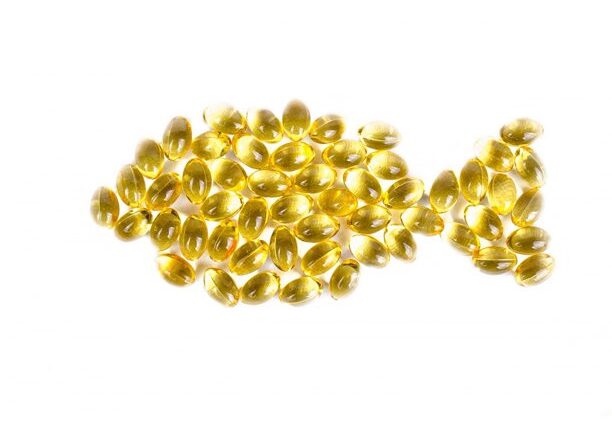
If you prefer not to eat fish then fish oil supplements are a good option. Algal oil DHA supplements can also provide needed DHA for vegetarians or vegans. However, it’s always best to get our nutrients from whole foods since they work synergistically and don’t go rancid as is the risk with supplements!
Bottom Line?
Omega 3’s are essential! While we promote a plant forward diet, there are nutrients like omega 3s that we aren’t able to sufficiently get from plants. Therefore it’s good to consider adding in a fish source of omega 3s or a supplement for optimal health!
Some comparisons!
Omega 3’s in fish/animal sources:
- 3 oz salmon: 600 mg DHA
- 3 oz tuna: 200-500 mg DHA
- 3 oz crab: 200 mg DHA
- Enriched, pasture raised, egg yolk: 50-150 mg DHA
- 12 large shrimp: 100 mg DHA
Omega-3’s in plant sources/supplements:
- Flaxseed, chia seeds, walnuts, edamame contain ALA, which the body converts into DHA and EPA, although conversion rate is poor
- 100 g serving of seaweed provides about 100 mg EPA but little DHA
- Nordic Naturals Algae Omega: 390 mg DHA (but contains carrageenan, shown to damage the gut)
- Source vegan omega 3s: 360 mg DHA
Sources:
https://www.fda.gov/food/consumers/advice-about-eating-fish
https://www.ncbi.nlm.nih.gov/pmc/articles/PMC3465194/