

Spirulina: is it a “Superfood”?
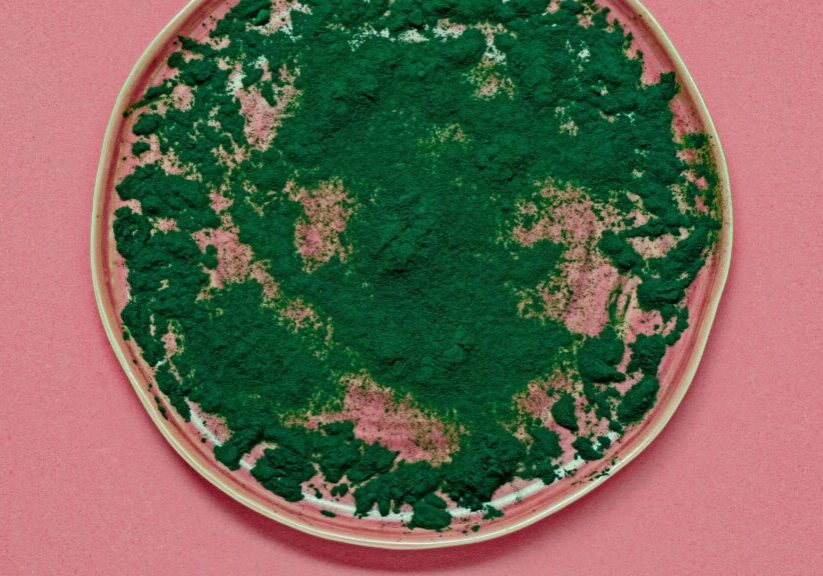
What is Spirulina?
Spirulina is a type of cyanobacteria that has been consumed historically by ancient civilizations and has more recently been studied for its nutrient composition, health benefits, use in pharmaceuticals, and use in the food industry. I’m usually skeptical of any “superfoods” but spirulina seems to be the real deal. Let’s find out why.
What Do We Know About It?
Micronutrients:
Spirulina is a great source of minerals, vitamins (specifically B vitamins), and antioxidant/anti-inflammatory properties like phenols and flavonoids. These phenols and flavonoids come from the pigment of the organism, similar to pigments of fruits and vegetables, which is why you’re always told to “eat the rainbow”. The antioxidant properties of spirulina are so promising that it has been shown to have protective effects against carbon tetrachloride and toxic heavy metals. Wow, pretty powerful, right? It has also been shown to modulate inflammatory processes, which are the main mechanism by which metabolic syndrome, type 2 diabetes, and heart disease occur. This micronutrient density may help in energy levels and metabolism!
Macronutrients:
Not only is spirulina a great source of micronutrients, but it also contains protein, fatty acids, and fiber, three very important macronutrients. Spirulina has been used to treat protein-calorie malnutrition and anemia in children due to its high protein and iron content. However, it is not recommended to use it as the main source of protein in a meal, instead, it could be a beneficial addition to smoothies.
Will It Help Me Meet My Protein Needs?
Most protein sources for human consumption are in the form of plants or animals. Using spirulina, a cyanobacteria, as a protein source is a bit unconventional, but highly rewarding. It is a concentrated source of essential amino acids (the building blocks of protein), and its levels are comparable to meat and eggs per gram. However, you do not want to rely on spirulina for your protein needs, as there is a limit on how much you can consume daily.
So how much should I take?
You do not need a lot of spirulina to see benefits. 1 level tablespoon (about 7g) of spirulina powder provides about 24 calories, 4g of protein, 460% of daily vitamin A needs, and 186% of daily vitamin B12 needs. Typical serving sizes range from 1 teaspoon to 1 tablespoon (~3g-~7g), and it is not recommended to exceed this serving size due to its concentration of nutrients. Spirulina also comes in tablet form, which is also a great way to get a daily dose in. Just make sure to follow the serving size recommendations on the bottle. As with all supplements, it is important to find a trustworthy and reputable supplement brand to purchase spirulina from. Store the supplement in a cool, dry, dark place as any of these factors can oxidize the product, reducing its health benefits.
How do I use it?
- Include 1 tablespoon in your morning smoothie
- Sprinkle on salads or soups
- Take in tablet form
- Mix with 8oz of water
Sources:
https://www.ncbi.nlm.nih.gov/pubmed/28182098
https://www.ncbi.nlm.nih.gov/pubmed/27507218